

Blog
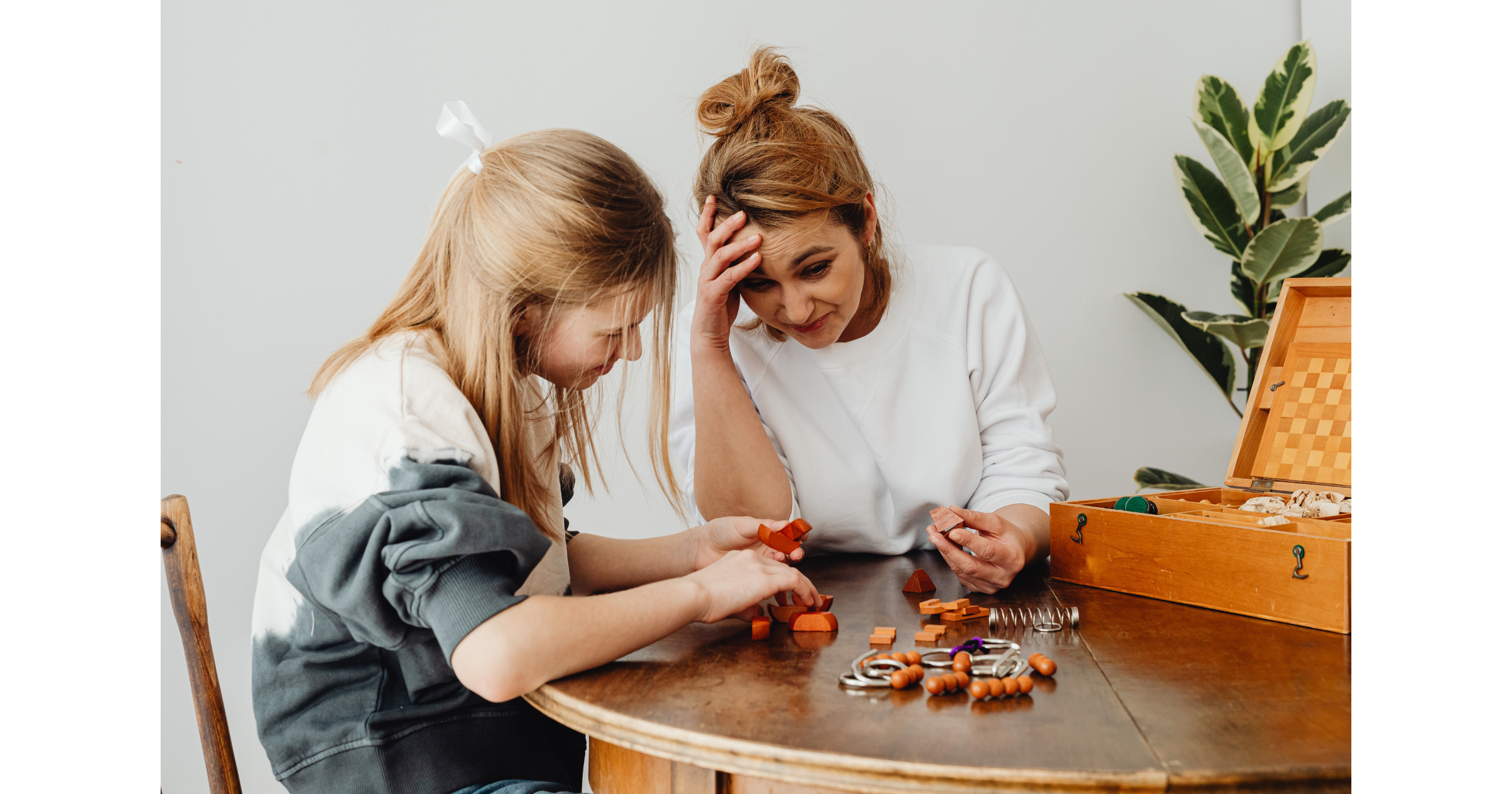
Repair After Tension: A Simple Family Guide
When a hard moment creates distance, repair brings the room back together. Clear language and three steady moves rebuild trust, with activity boxes for art, service, and low-pressure recreation.

Art, Music, and Light: Creative Pathways Through Winter
Winter changes how people feel and focus. This piece explains how creativity, light, and gentle structure support well-being, with examples that fit homes, classrooms, and programs like Eva Carlston.

When the Body Remembers: Somatic Clues of Shame
Shame can show up as a slumped posture, heat in the face, a tight chest, or a freeze response. Here are gentle, practical ways to steady.
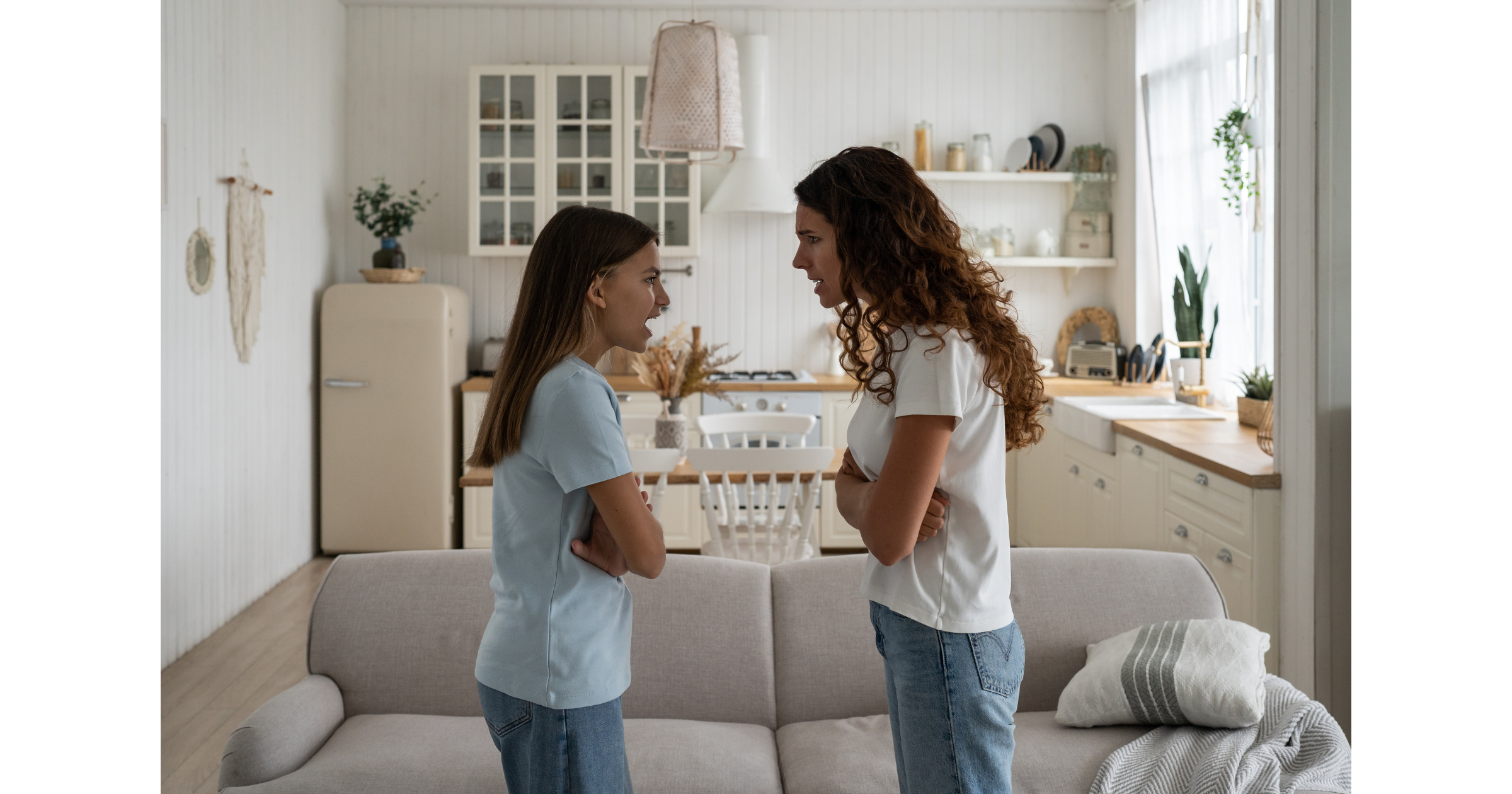
Anger, Then What? Making Space Between Feeling and Action
Anger moves fast. This two-minute routine slows the moment so teens and families can choose the next right step. Start with the body, add one question, then repair.

Belonging Comes First: Why Connection Makes Skills Stick
Belonging comes first. When teens feel safe and known, the nervous system settles and the mind can learn. This piece explores how caring adults mentor with calm coaching, peers encourage effort, and short, supported practice helps new skills stick across school, home, and creative spaces.

Small Classes, Real Momentum: Personalized Teaching at Eva Carlston
Small classes and personalized teaching help students participate, ask questions, and move at a calm, doable pace. College prep, fine arts, and cultural learning keep progress real.

Different Kinds of Loss Teens Carry
A clear guide to losses teens may carry: death, separation, moves, friendship endings, health changes, and ambiguous or overlooked grief, with simple supports.

From Signs to Support: How to Notice, Screen, and Steady Low Mood
Early signs, teen-specific cues, conversation starters, depression screening as a first step, and when to seek immediate help.

Sleep and Mental Health for Better Mood and Learning
Restorative sleep supports steadier mood, clearer thinking, and stronger learning across all ages, with pronounced benefits during adolescence. This piece shares realistic habits and a study-smart evening plan that keeps schoolwork moving while protecting rest, plus guidance for families and programs creating calm, consistent routines.

Trauma-Informed Education for Families
Trauma-informed education for families brings caregivers and schools into alignment around safety, predictability, and voice. Learn what it means, why partnership matters, and how to map safety, practice co-regulation, and create gentle reentry so learning feels possible again.

Suicide Prevention Support Guided by Compassion
Awareness months can open doors, yet steady care is built day by day. Healing moves differently for everyone, which is why gentle routines, clear information, and supportive relationships matter in every season. Keeping suicide prevention support in daily life helps people feel less alone and more able to reach for help when waves get rough.

Practical Life Skills In Education: From List To Cart To Kitchen
Practical life skills in education come into focus when everyday tasks become meaningful practice. At Eva Carlston Academy, we build time for students to slow down and learn step-by-step: making a list, finding what’s needed, and following through. In these moments, they practice executive functioning—planning, organizing, prioritizing—and strengthening habits that build confidence and independence.

Art, Movement, and Mindfulness: Creative Pathways to Self-Discovery
Practical life skills in education come into focus when everyday tasks become meaningful practice. At Eva Carlston Academy, we build time for students to slow down and learn step-by-step: making a list, finding what’s needed, and following through. In these moments, they practice executive functioning—planning, organizing, prioritizing—and strengthening habits that build confidence and independence.

Skills that Stick: How CBT and DBT Tools Show Up in Everyday Life
Learning how CBT and DBT tools show up in everyday life begins with something small: noticing. When teens can name a pattern, practice a skill, and return to it when things get hard, growth becomes real—not just a lesson, but a way of living. At Eva Carlston Academy, we make these skills visible and repeatable, so they stick.

Understanding ADHD in Teens: Real Support, Real Growth
ADHD often presents in ways that are misunderstood. For some teens, it can involve difficulty concentrating, a high level of mental energy, or sensitivity to disruptions. Others may feel scattered, struggle with starting tasks, or find it hard to follow multi-step directions.
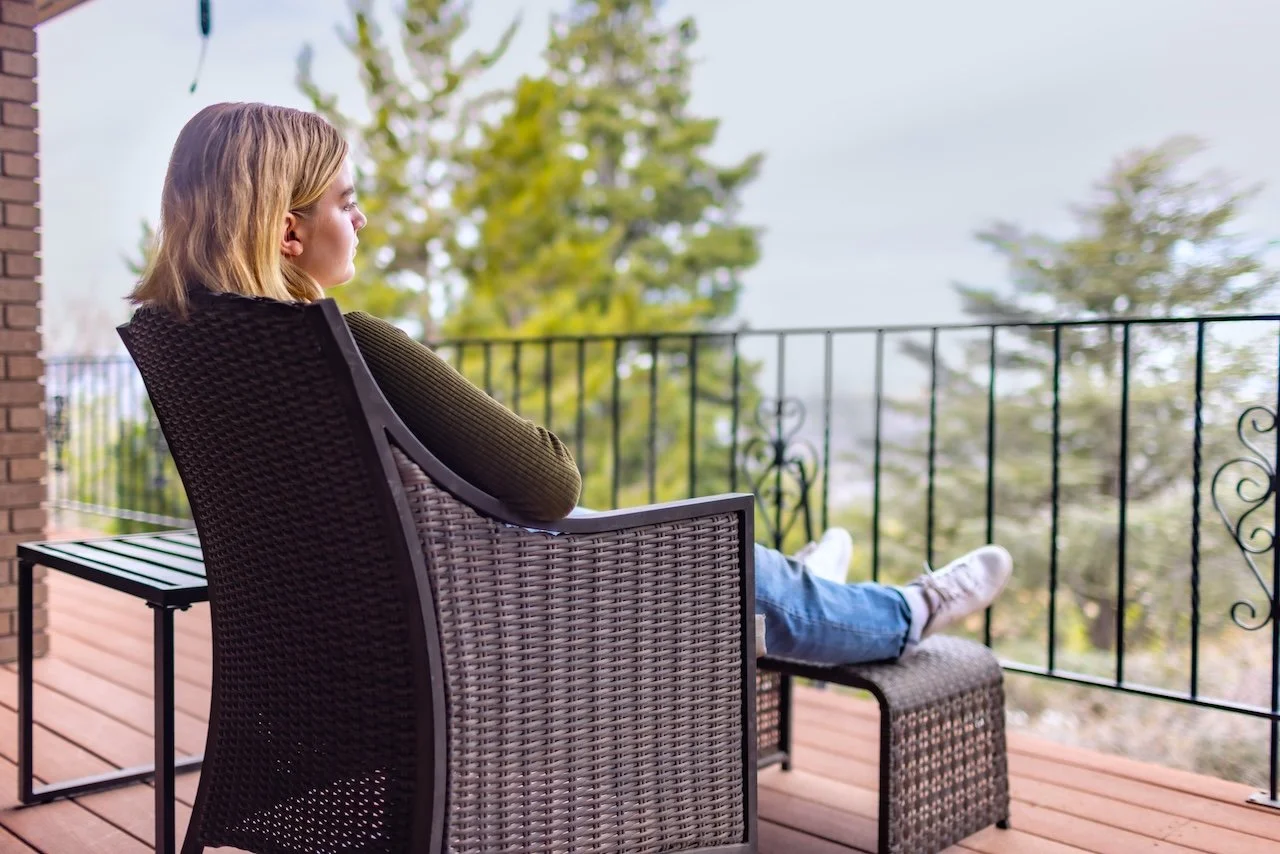
Making Room for Growth When It Feels Uncomfortable
Emotional growth in families often begins in quiet moments, not grand breakthroughs. It might look like a parent pausing before responding with frustration. It could be a teen choosing to share a vulnerable thought. These shifts can feel small, but they create space for change.
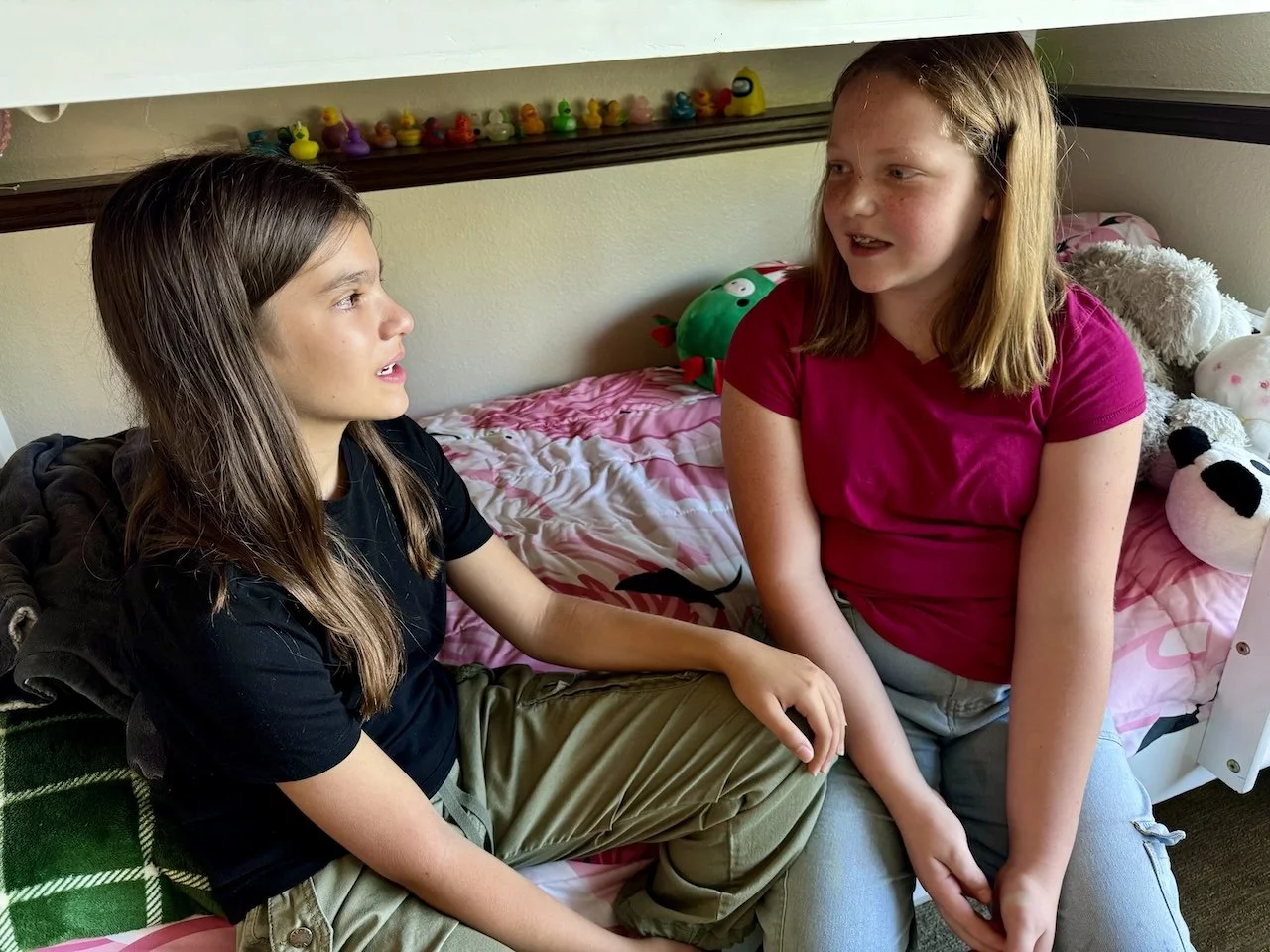
Understanding the Nervous System and Stored Trauma
Sometimes it’s not one dramatic moment that overwhelms someone. It’s the quiet buildup—the small shocks, the emotional letdowns, the stress carried through each day. Over time, those experiences settle into the body like layers of dust on a shelf. At first, they may go unnoticed; eventually, they can show up as tension, fatigue, clouded thinking, or a gentle but persistent sense of alertness even when there is no immediate threat.

Life Transitions: Understanding the Journey
Life transitions challenge what feels familiar and surface unexpected strengths. From starting a first job to moving into a new home or embracing parenthood, each shift calls for new habits and fresh perspectives. Change comes in its own time. Getting ready in your head and planning key steps can lower stress and build confidence.
Body Image, Belonging, and the Stories We Carry
Body image goes beyond what we see in the mirror. It often reflects deeper stories we carry. Efforts toward healing body image in teens begin with recognizing that this experience doesn’t happen in isolation. Teens navigating peer pressure, families exchanging casual comments, and adults scrolling through their feeds all encounter moments that shape how they view their bodies. This relationship shifts over time, shaped by lived experiences, emotional responses, and the subtle messages we absorb each day.

The Summer Social Shift: Navigating Changing Friendships
The summer social shift brings fresh opportunities and new challenges in friendships. As schedules open up and routines loosen, shifting dynamics can feel unsettling. Yet this season also offers invaluable chances to strengthen connection and personal growth.