
Therapy
A Therapeutic Approach That Meets Students Where They Are
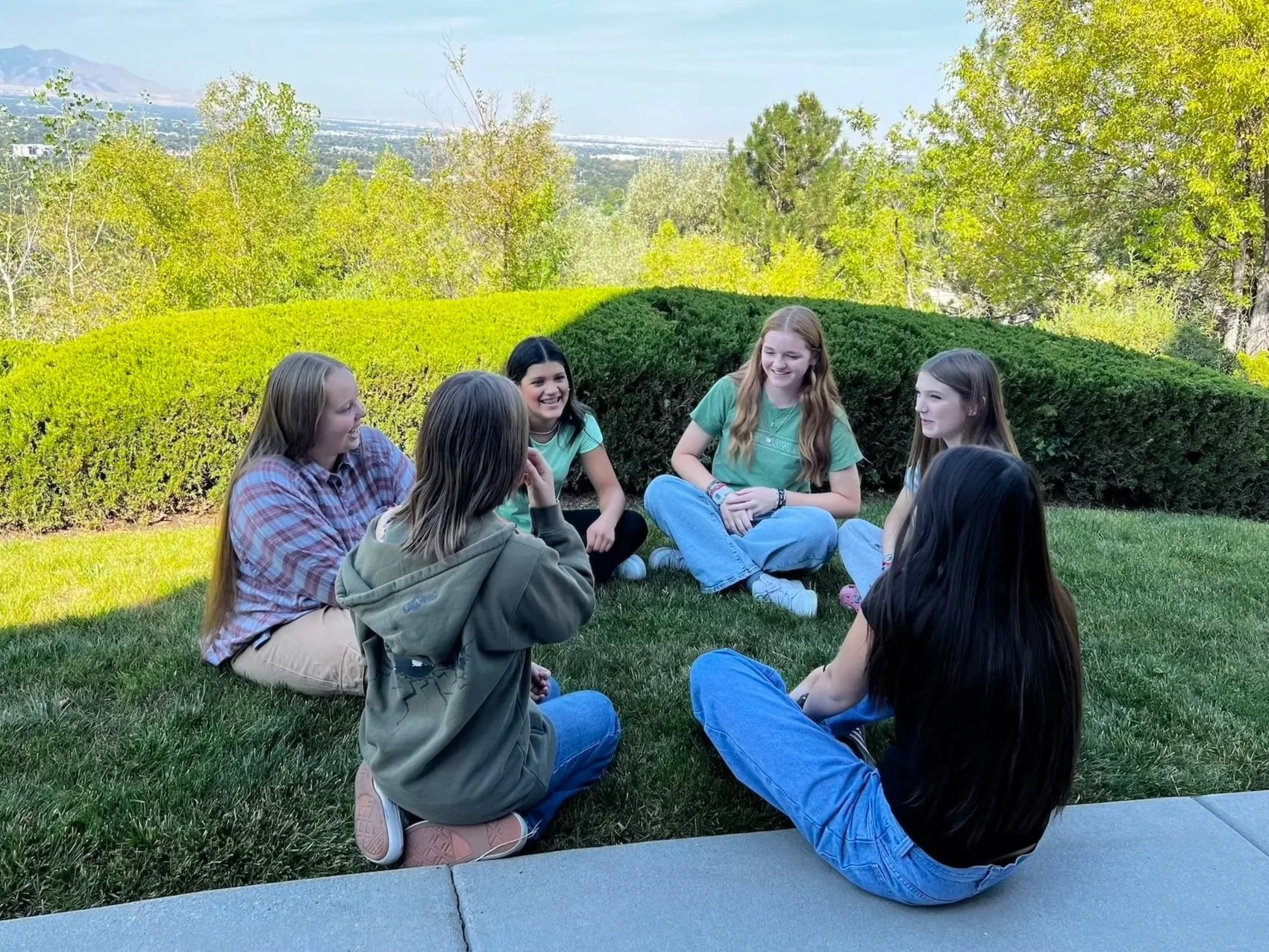
At Eva Carlston Academy, therapy is grounded in evidence-based practices and delivered through individualized, family, and group sessions. Experiential and expressive approaches help students build coping skills, understand unhelpful behavior patterns, and replace them with more effective strategies—preparing them for the future.
-
At Eva Carlston Academy, our therapeutic approach is imbued in every aspect of life. Whether in a structured session, an art project, or a recreational activity, students encounter meaningful opportunities to apply what they are learning and continue their growth.
-
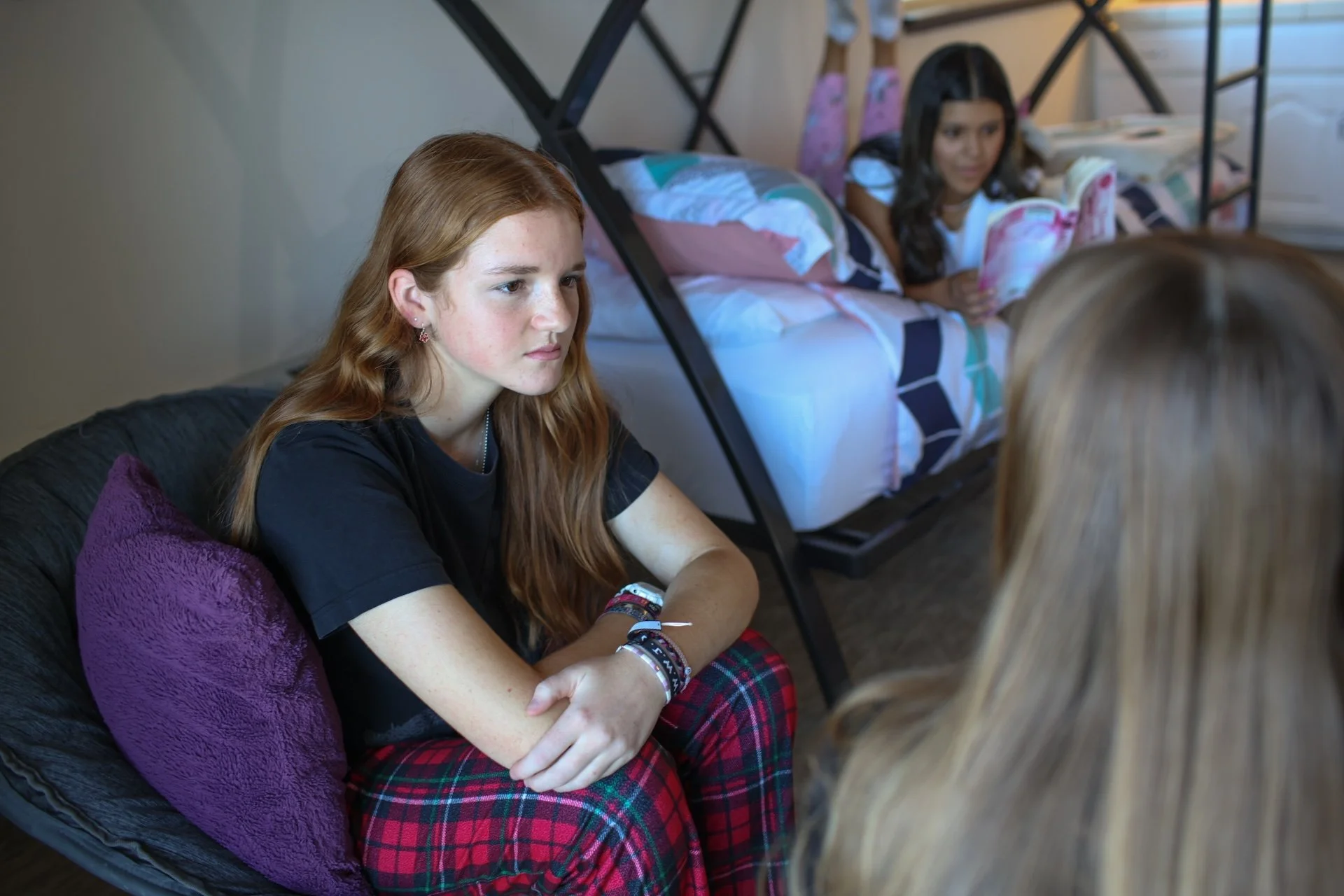
We believe meaningful growth is built through caring, supportive relationships. In both structured sessions and informal moments, staff connect with students in ways that strengthen trust and encourage confidence.
-
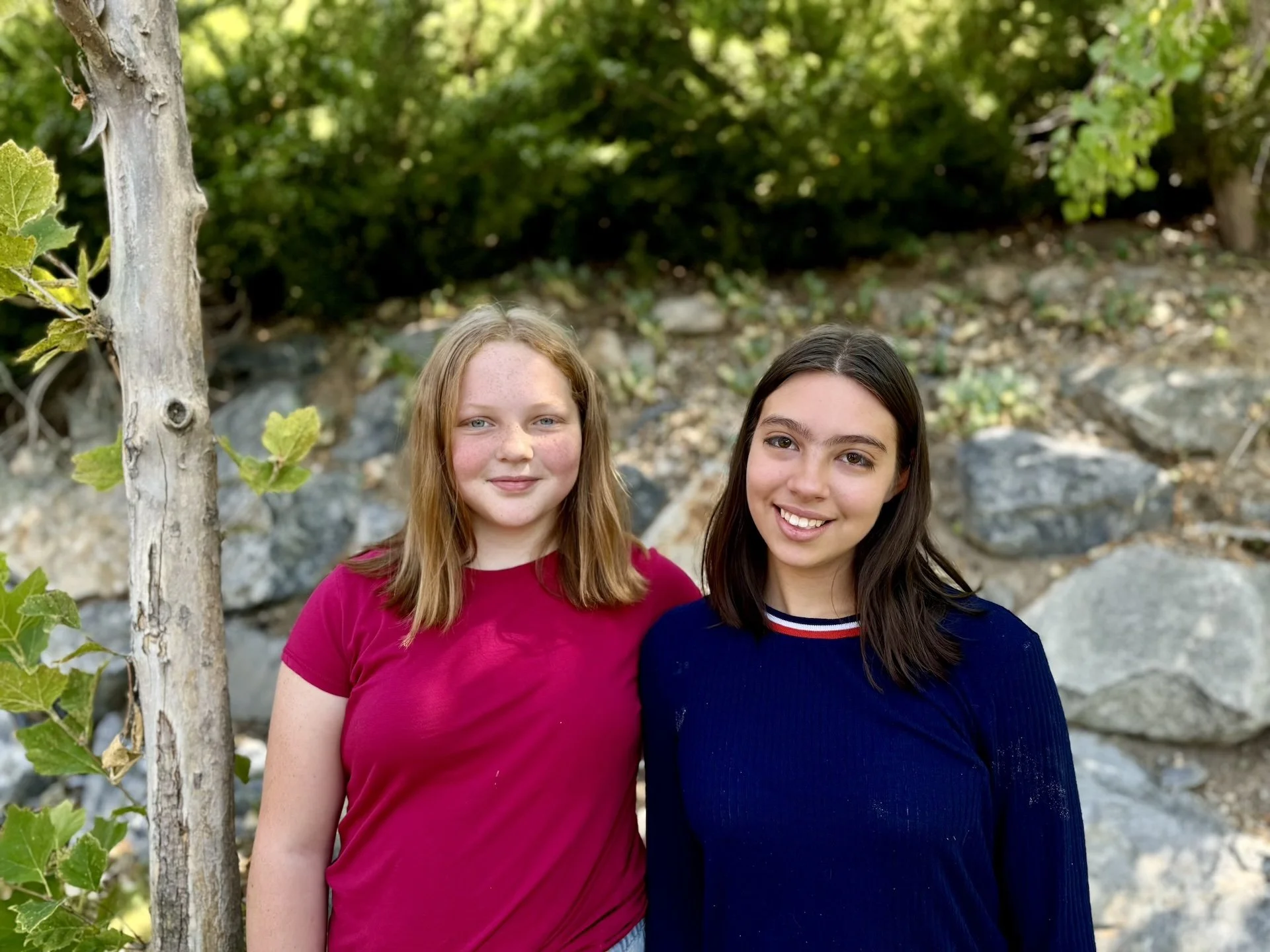
Eva Carlston Academy personalizes each student’s treatment plan based on history, strengths, and goals. As progress unfolds, we evaluate and customize our approach for each and every student.
Structured, Consistent Support
INDIVIDUAL THERAPY
Self-Discovery & Growth
Students meet twice each week with a licensed clinician for individual therapy. These sessions support self-exploration, help students understand and meet their emotional needs, and provide opportunities to set meaningful goals while addressing concerns such as anxiety, depression, trauma, attachment, autism spectrum, and ADHD. The additional time allows for deeper processing, consistent support, and the development of a stronger sense of self.
GROUP THERAPY
Emotional Connection & Insight
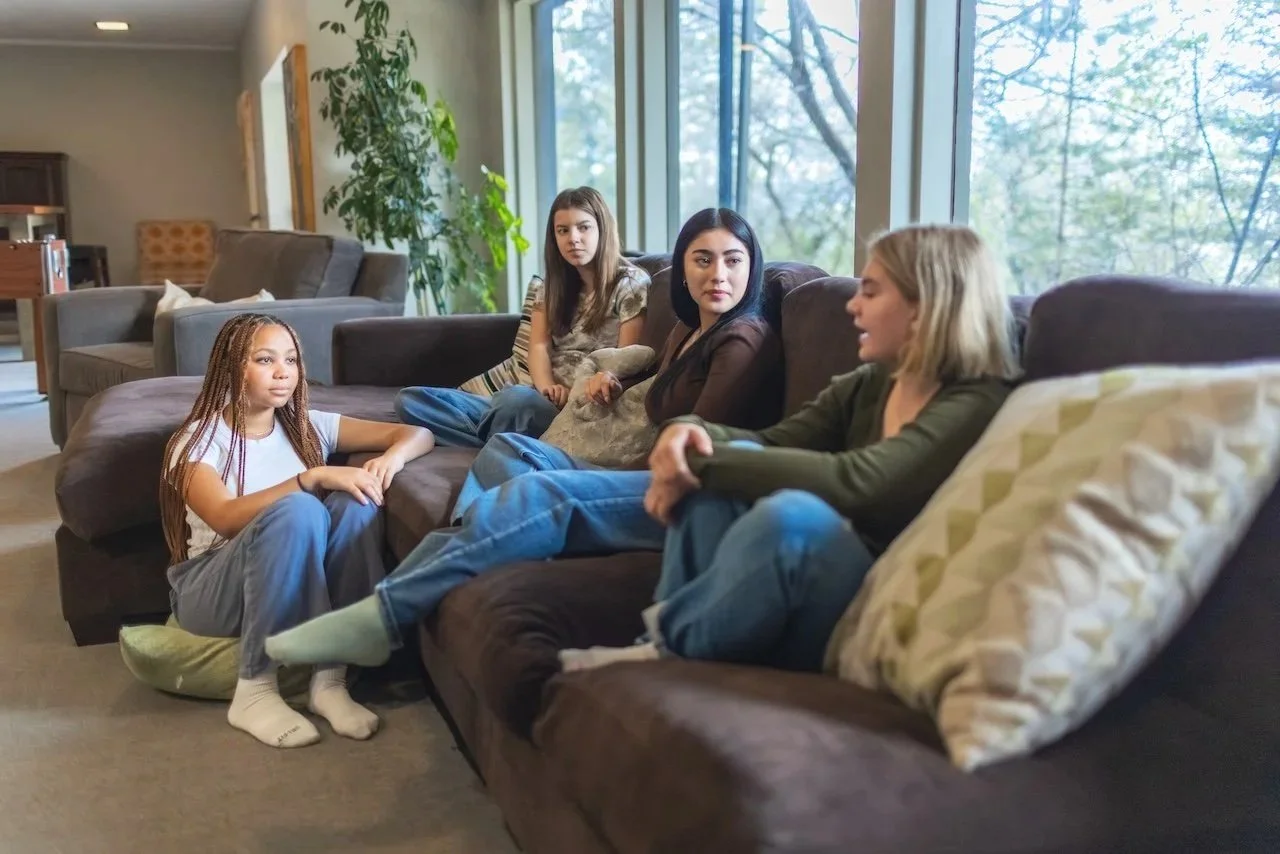
Group therapy offers a unique opportunity for students to learn about themselves and practice healthy relational skills. Students develop the ability to navigate and maintain healthy relationships, beginning with the relationship they have with themselves. Together, they learn to tolerate differences, navigate conflict, communicate effectively, and build and sustain relationships.
Anxiety and Depression Management
Dialectical Behavior Therapy (DBT)
Healthy Relationships and Boundaries
Anger Management
Bullying Prevention and Assertiveness
Healthy Coping Skills
Self-Esteem
Mindfulness
Internet and Technology Safety
Diversity
Social Skills Development
Shame Resiliency
Speciality Groups – Trauma, Substance Use Recovery, Adoptions, Neurodiversity, and Gender issues
FAMILY THERAPY
Strong and Trusting Relationships
Focusing on intrinsic strengths, weekly family therapy helps students and their families recognize how they can contribute to a healthy family system and work together to support lasting change during treatment and beyond. Parents are also supported through online support groups, workshops, and parent coaching opportunities.



Driven by Research, Rooted in Relationships
Our therapists use evidence-based methods that address both emotional needs and practical skills for daily life. Each approach is applied with sensitivity to the student’s stage of growth and delivered in a way that strengthens trust, connection, and resilience.
Cognitive Behavioral Therapy (CBT)
Trauma-Informed CBT
Dialectical Behavioral Therapy (DBT)
Acceptance and Commitment Therapy (ACT)
Motivational Interviewing
Eye Movement Desensitization and Reprocessing (EMDR)
Exposure and Response Prevention (ERP)
Internal Family Systems (IFS)
Attachment-Based Family Therapy
Somatic and Body-Based Approaches
Mindfulness-Based Interventions
Parent Skills Training
Culturally Responsive and Gender-Sensitive Practices
Skills and Executive Function Focused
Skills to Promote Lasting Change
Therapy at Eva Carlston helps students carry new tools into every part of their lives. With consistent practice, they begin to build confidence in how they handle challenges, relate to others, and see themselves with greater clarity and purpose.
Regulate emotions and manage stress
Communicate clearly and respectfully
Navigate relationships with confidence
Shift unhelpful thought patterns
Build a strong sense of identity and purpose

Connect With Us
Choosing the right setting for your daughter is an important decision, and we are here to help. Our admissions team is available to answer questions, share more about our program, and talk through what the next steps might look like for your family.